The Bankole Legacy
A Living Architecture Of Freedom
A central pillar of Bankole Thompson’s legacy is his unwavering commitment to communities and individuals who are overlooked and underserved. He has used his multimedia platform to amplify the struggles of poor and working families, advocate for minority entrepreneurs and equitable economic development, challenge leaders – both political and corporate to act with urgency and responsibility.
His legacy is not simply defined by journalism but by conviction. At a time when neutrality is mistaken for objectivity, Thompson’s work has insisted on something deeper: that journalism, at its highest calling must confront power, challenge injustice and give voice to those too often unheard.

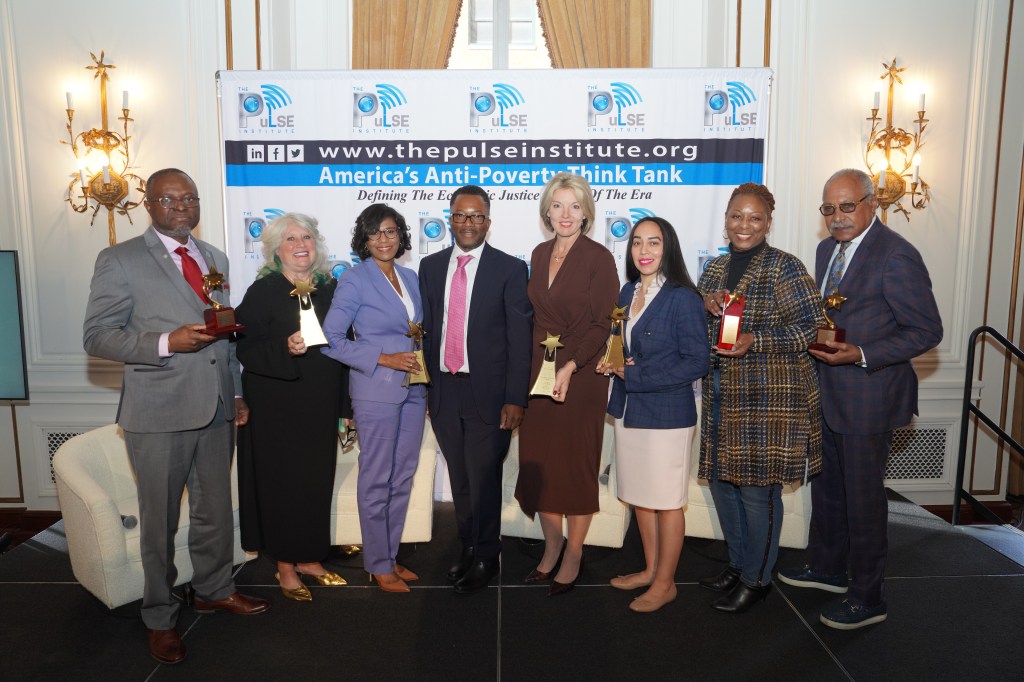
In essence, Bankole Thompson’s legacy is built on his refusal to look the other way. The founder and chairman of the board of directors of anti-poverty and economic justice think tank, The PuLSE Institute, Thompson’s has never treated journalism as a passive service. For him, it has always been an instrument of accountability. This columns, podcast, public commentary, books and thought leadership, he has consistently elevated issues of economic inequality, racial justice, and systemic barriers that shape everyday life.
In doing so, he has helped define what it means to be a journalist and public intellectual in the tradition of Frederick Douglass and in an era that demands moral clarity.
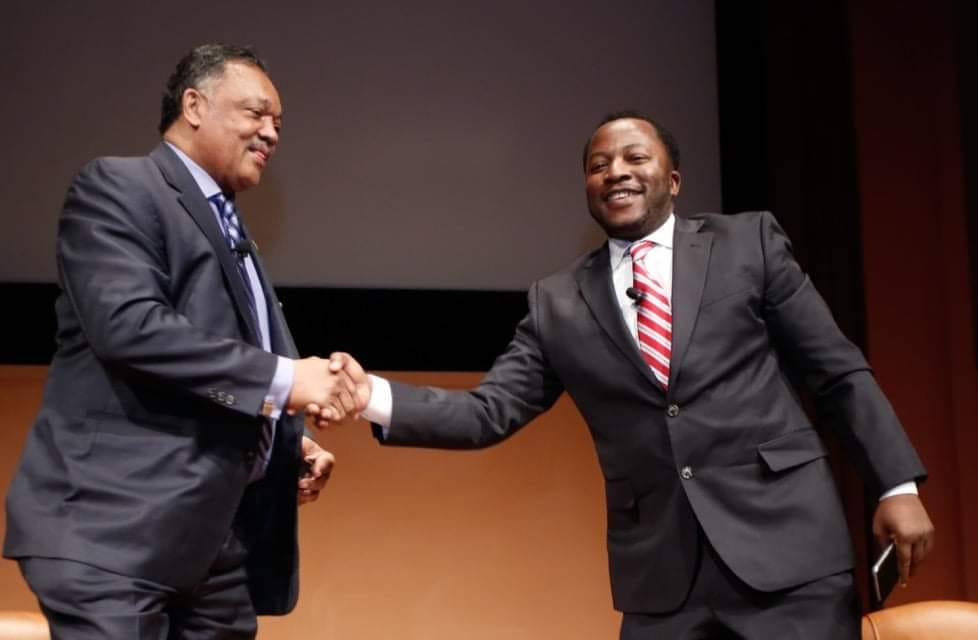
For example, the significance of Thompson receiving the Rainbow PUSH Coalition’s Let Freedom Ring Journalism Award in January of 2018 personally from civil rights leader, the Rev. Jesse Jackson Sr. is not merely ceremonial. It is historical, moral and deeply representative of a shared mission rooted in the unfinished work of justice. The award itself rooted in the legacy of the Rev. Dr. Martin Luther King Jr. and given to Thompson at an event marking the 50th anniversary death of Dr. King was a deliberate and powerful act. It signaled that Thompson’s work embodies the very principles that Dr. King died for: justice, equality, and the moral responsibility to speak truth to power.
In fact, when civil rights leader and former chairman of the board of the historic Southern Christian Leadership Conference (SCLC), Rev. Dr. Bernard Lafayette Jr., one of Dr. King’s most trusted lieutenants nominated Thompson in 2023 to serve on the national board of SCLC, it was a profound statement about leadership, legacy and the evolving role of journalism in the struggle for justice. The appointment which came as a historic breakthrough because Thompson became the first journalist in American history to serve on the national board of the organization that Dr. King founded and infused his personal legacy into, redefines the boundary between observing history and shaping it. Because traditionally journalists are expected to stand at a distance. But what it shows is that journalism at its highest level, is not passive, it is participatory in the fight for justice.
More importantly, Lafayette, an architect of the civil rights movement, who was a very close friend and mentor of Thompson, was making a statement when he brought him on board SCLC: The movement needs not only organizers and clergy, but it also needs disciplined, fearless communicators who can shape public consciousness. That this era requires voices than can both interpret the moment and help direct its outcome and help steward the legacy of one of the most consequential movements in American history.
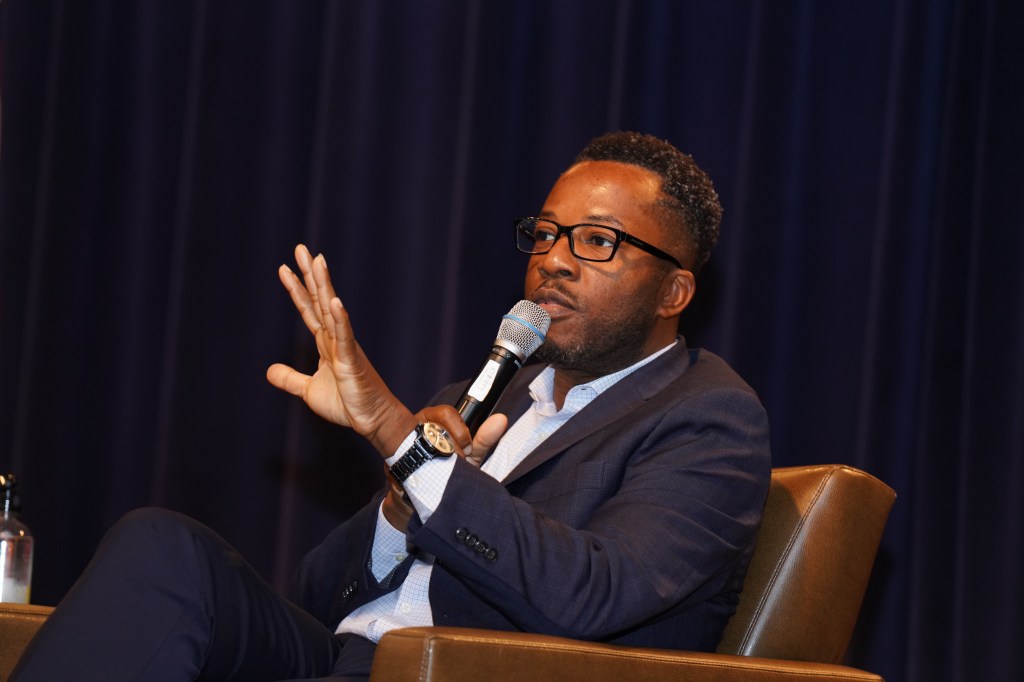
What has always distinguished Thompson’s legacy is courage. That is the courage to challenge powerful institutions. The courage to speak difficult truths. The courage to stand firm in the face of criticism.
In a landscape where it is very easy to conform, Thompson has chosen to confront and that choice has made his voice not just relevant, but necessary.
Beyond journalism, the influence of Bankole Thompson as a standard-bearer for economic justice issues extends into civic engagement, leadership development and public discourse.
As a thinker and prolific writer, whose twice-a-week opinion columns in The Detroit News on Mondays and Thursdays, he pierces the conscience of the powerful.
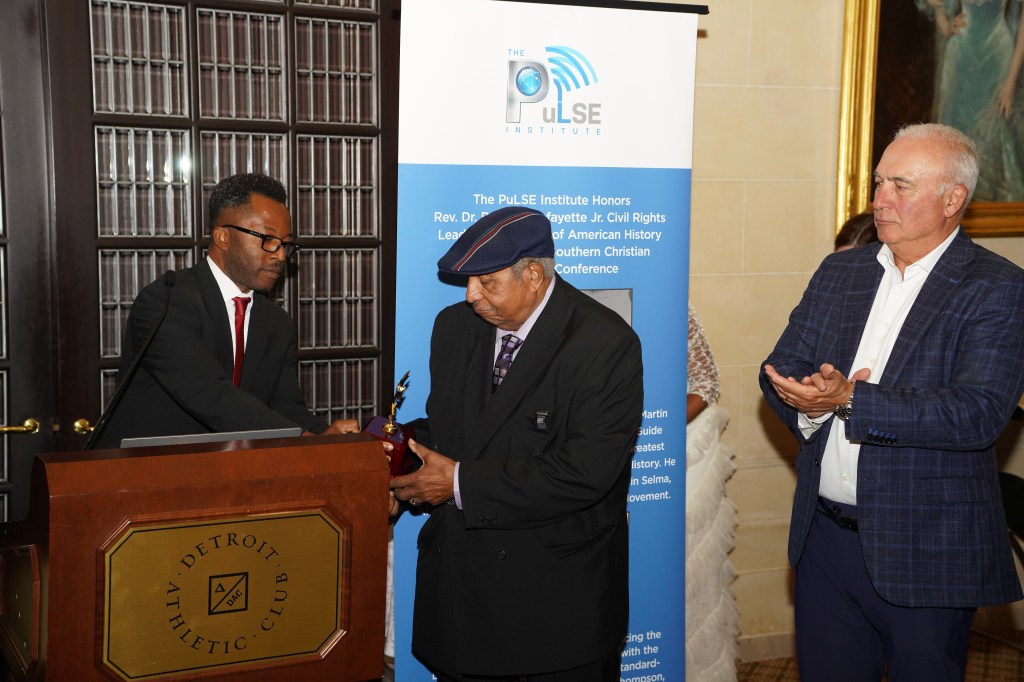
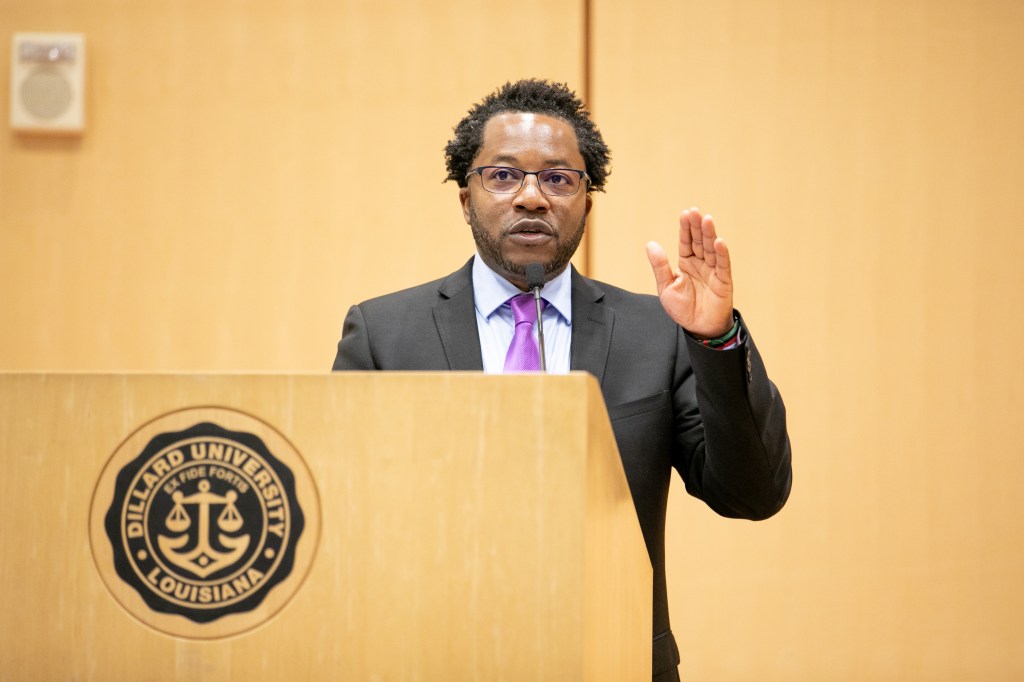
As a multidimensional speaker who has addressed institutions such as Brown University, Dillard University, the American Jewish Committee-Detroit Region and other diverse organizations around the country, his impact is not confined to just to what he writes, but is expanded through the minds that he shapes and the leaders he helps develop.
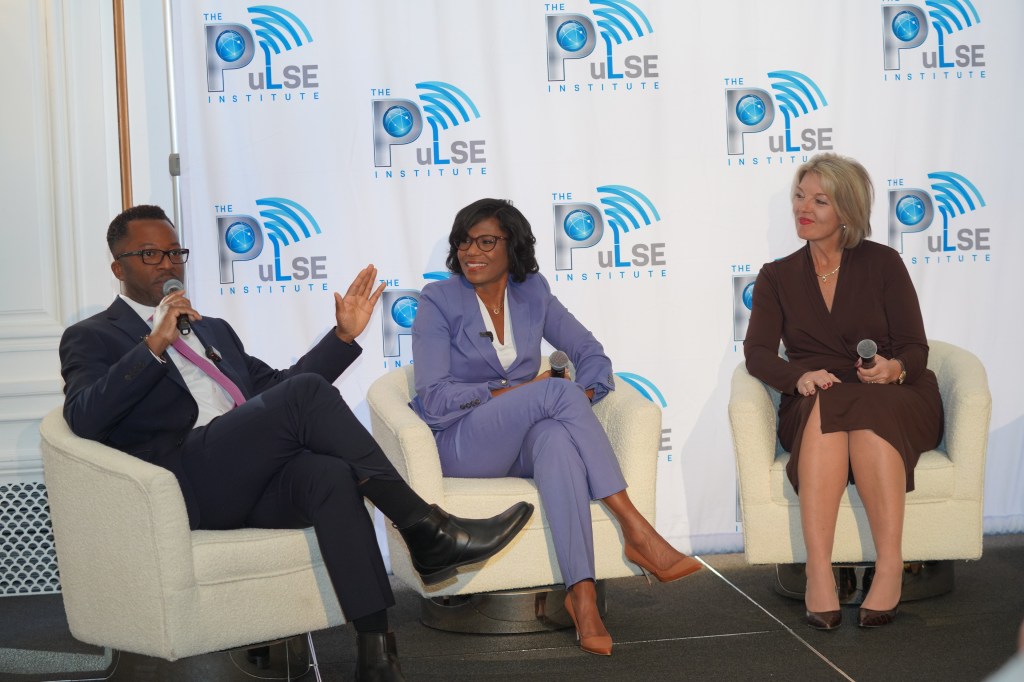
As an institutional builder he has worked to elevate conversations around economic justice, inspire a new generation of leaders to pursue excellence and equity as well as build platforms that connect to ideas.
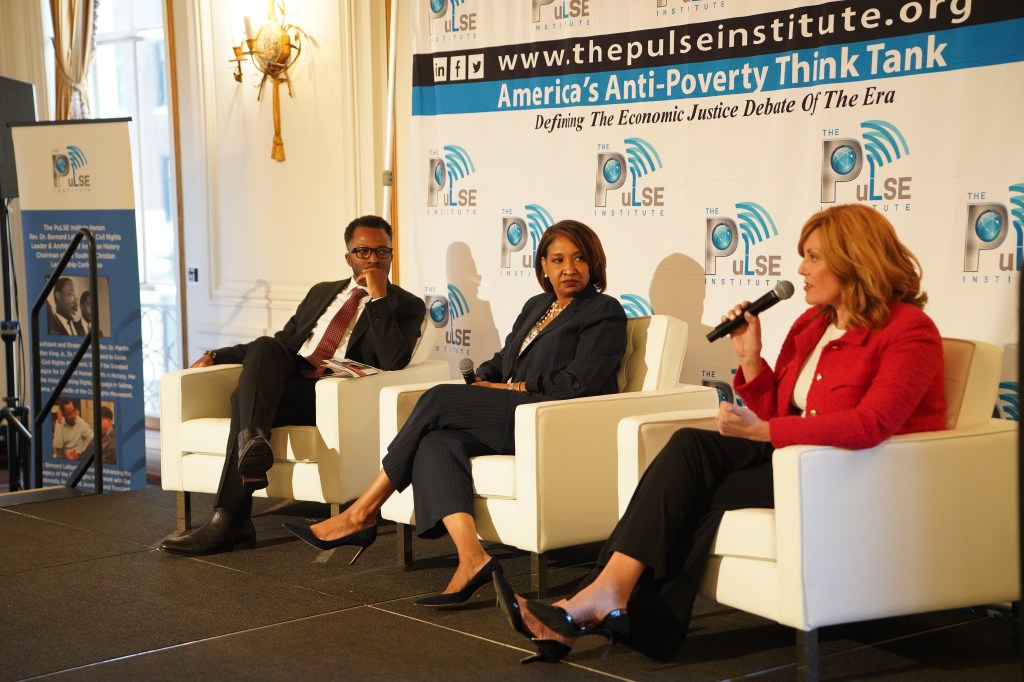
Through the Bankole Thompson Doctrine, he created a framework for how business leaders can focus on economic inequality as a central issue of our time. The doctrine pushes captains of industry and CEOs to invest intentionally in underserved communities, create pathways for minority entrepreneurship and wealth-building and address systemic barriers, not just surface-level systems. It recognizes that without economic justice, broader claims of equality remain incomplete.
As a pioneering journalist and one of the first Black editors in the nation to conduct a series of exclusive sit-down interviews with President Barack Obama, Thompson, is a towering example of what it means to tell your story in your own voice, refuse distortion or erasure as well as build platforms when doors remain closed. Moreover his interviews with Obama exemplify how to redefine the system and shift from being subjects of history to authors of it.

As a champion for freedom his work cannot be measured solely in pages written or platforms built. It is measured in the ideas he has challenged in his latest book, Fiery Conscience, which was reviewed by Forbes, the voices he has elevated in his forthcoming sixth book, HOPE: On The Mountain Of Fear, and the freedom-centered conversations he has forced into the public view.
His books and platforms operate as instruments of liberation. They function as a framework for understanding inequality, connecting history, policy and lived experience. They are a call to moral responsibility by urging readers not to observe injustice but to confront it. They are a guide for civic courage by equipping individuals to think critically and act intentionally.
Across his media platforms, commentary and public engagements, Thompson has built spaces were truth is not diluted and difficult conversations are not avoided.
At the center of his impact is a simple but powerful principle: freedom begins with truth. His voice has helped shift the narrative from comfort to clarity by reminding audiences that freedom is not merely a concept but a condition that must be fought for, protected and expanded.
The true power of Thompson’s work including the Bankole Thompson Papers established in 2015 by the University of Michigan Bentley Historical Library which houses the papers of every Michigan governor lies in its continuity. Each book, each column, each speech, each podcast is part of a larger architecture and one that is designed to expand thought, challenge systems and advance freedom.
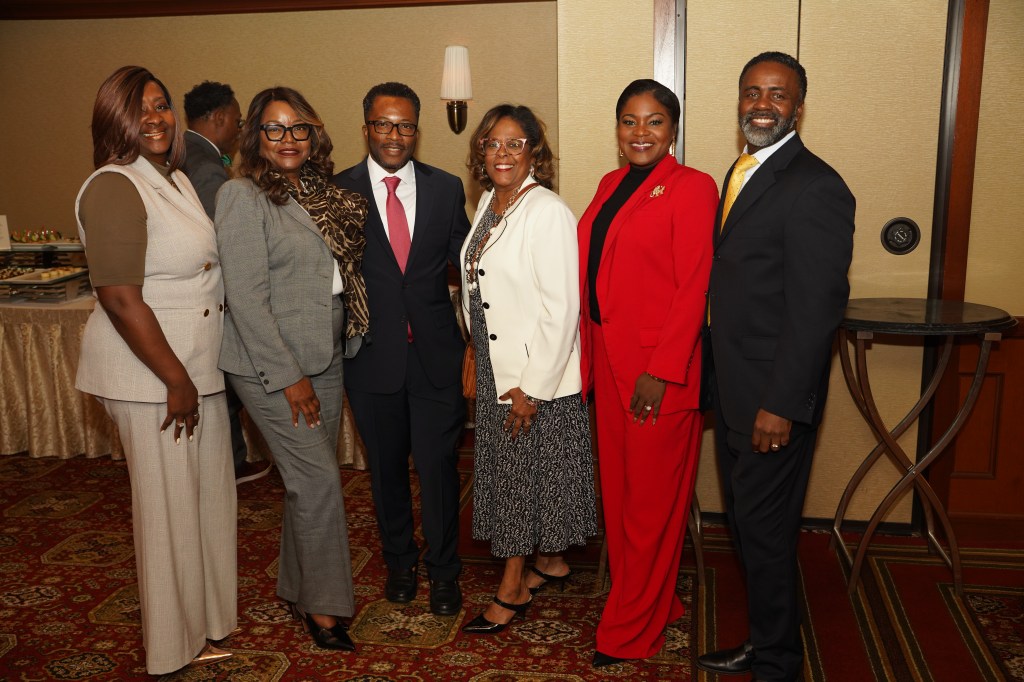
Perhaps the most powerful aspect of Thompson’s legacy is that it is still unfolding. It is seen in young people who are inspired to lead with purpose, communities that more informed, more engaged and more empowered and a public discourse that is pushed, challenged and elevated.
For Thompson as the age of 47, that is not a legacy of completion, it is a legacy of continuation.
The legacy of Bankole Thompson, a member of the National Press Club of Washington D.C. is a powerful reminder that journalism when grounded in purpose and guided by courage can be a force for social transformation. Not just in documenting the world as it is, but demanding the world as it should be. And in that demand, shaping a future defined not by silence or complacency, but by truth, justice and the relentless pursuit of equality.
Bankole Thompson’s work stands as both a challenge and an invitation to think deeper, act boldly and to commit without compromise to the ongoing struggle for economic justice and freedom.